.png)
New Jersey's weather is tough on asphalt—harsh winters with freeze-thaw cycles, heavy summer rains, and year-round traffic can cause cracking, potholes, raveling, and poor drainage fast. Many property owners think a simple overlay (adding new asphalt on top) is enough, but without proper preparation, problems return quickly, costing more in the long run.
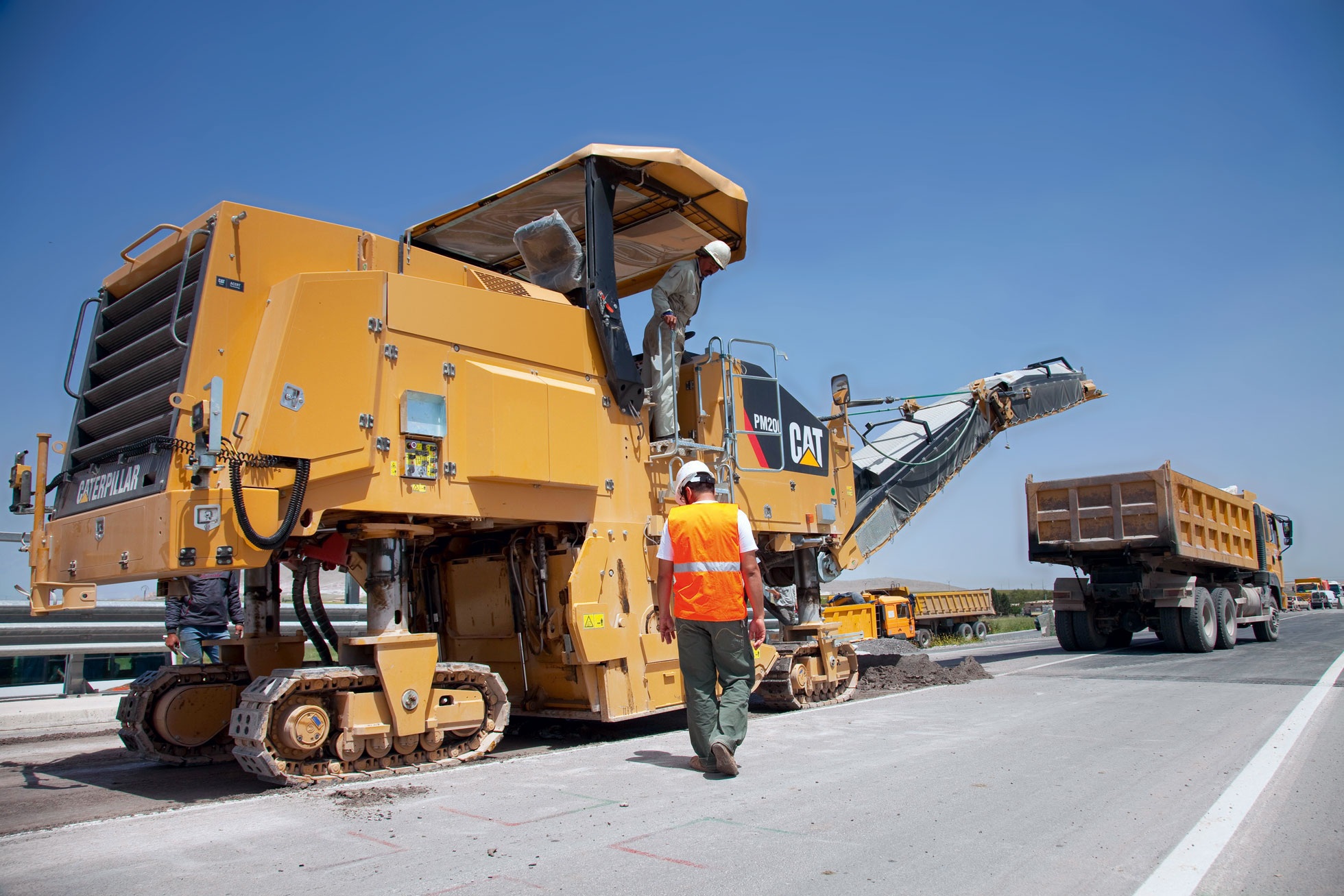
That's where asphalt milling (also called cold planing or pavement milling) comes in. This process uses specialized machines to grind away the top 1-2 inches (or more) of worn asphalt, leaving a textured, even base ready for fresh pavement. Here's why milling is a game-changer for long-lasting results in New Jersey:
Removes Surface Damage and Distress
Old asphalt often hides issues like cracks, rutting, bleeding, or alligator cracking. Overlaying without fixing these leads to reflective cracking—new cracks mirror the old ones almost immediately.
Milling eliminates:
- Raveling — Loose aggregate separating from the binder, creating a rough surface.
- Bleeding — Excess asphalt rising to the top, making it slippery.
- Rutting — Depressions in wheel paths from heavy use.
- Potholes and alligator cracking — Severe surface breakdown from water infiltration and freeze-thaw.
By stripping away the damaged layer, milling gives your new asphalt a clean, stable foundation that bonds better and lasts longer.
Improves Drainage and Grading
Poor drainage is a top killer of NJ asphalt—standing water from rain or snowmelt seeps in, freezes, expands, and cracks the pavement. Milling restores proper slope and profile:
- Adjusts crown or cross-slope so water sheds off instead of pooling.
- Fixes uneven areas around curbs, manholes, or catch basins for seamless transitions.
- Prevents future water-related damage, especially critical during NJ's wet springs and heavy winter melts.
Proper grading after milling means your driveway or parking lot stays drier, safer, and structurally sound for years.
Enhances Adhesion for Superior Bonding
The milled surface is rough and grooved—like natural "teeth"—creating maximum grip for the new asphalt overlay. This strong mechanical bond:
- Reduces delamination (new layer separating from old).
- Increases overall pavement strength against traffic and weather stress.
- Extends lifespan—properly milled and overlaid asphalt can last 15-25+ years with maintenance.
Without milling, overlays often fail prematurely in high-traffic or freeze-prone areas like New Jersey.
Eco-Friendly and Cost-Effective with Recycled Material
Milling produces reclaimed asphalt pavement (RAP)—the ground-up old material gets recycled into new mixes. Benefits include:
- Reduces need for virgin aggregates and asphalt binder.
- Lowers project costs (often 20-30% savings vs. full removal).
- Minimizes landfill waste and trucking emissions—greener choice for NJ properties.
- Many NJ projects require or incentivize recycled content for sustainability.
It's smart for your wallet and the environment.
By choosing professional asphalt milling before any resurfacing or repair, you're investing in durability tailored to New Jersey's demanding conditions. Skip it, and you risk repeating the same fixes season after season.
At Pittinger Paving & Excavating, we use state-of-the-art milling equipment to deliver precise, long-lasting results for residential driveways, commercial lots, and more across New Jersey. Ready to extend the life of your pavement? Contact us today for a free consultation and quote—we'll assess your surface and recommend the best path forward.
Your asphalt deserves better than a quick fix. Let's build it to last.
.svg)